
Why Documentary Photography Is Perfect for Kids With Disabilities in Buffalo NY
If you have a child with a disability, you already know what happens at most photo sessions.
The photographer asks them to sit still. Your child can’t. The photographer asks them to look at the camera. Your child won’t. Someone says ‘just one more smile’ for the fourteenth time and by then everyone is done — your child, you, probably the photographer too. You leave with a handful of stiff, forced images that don’t look anything like the kid you actually know and love, and a really bad taste in your mouth about the whole experience.
I want to offer you something completely different.
I’m a documentary family photographer in Buffalo NY and I specialize in working with kids who don’t fit the traditional photo session mold — kids with autism, ADHD, sensory processing challenges, physical disabilities, and everything in between. I didn’t adapt this approach for these families as an afterthought. I built it for them from the ground up. 📸
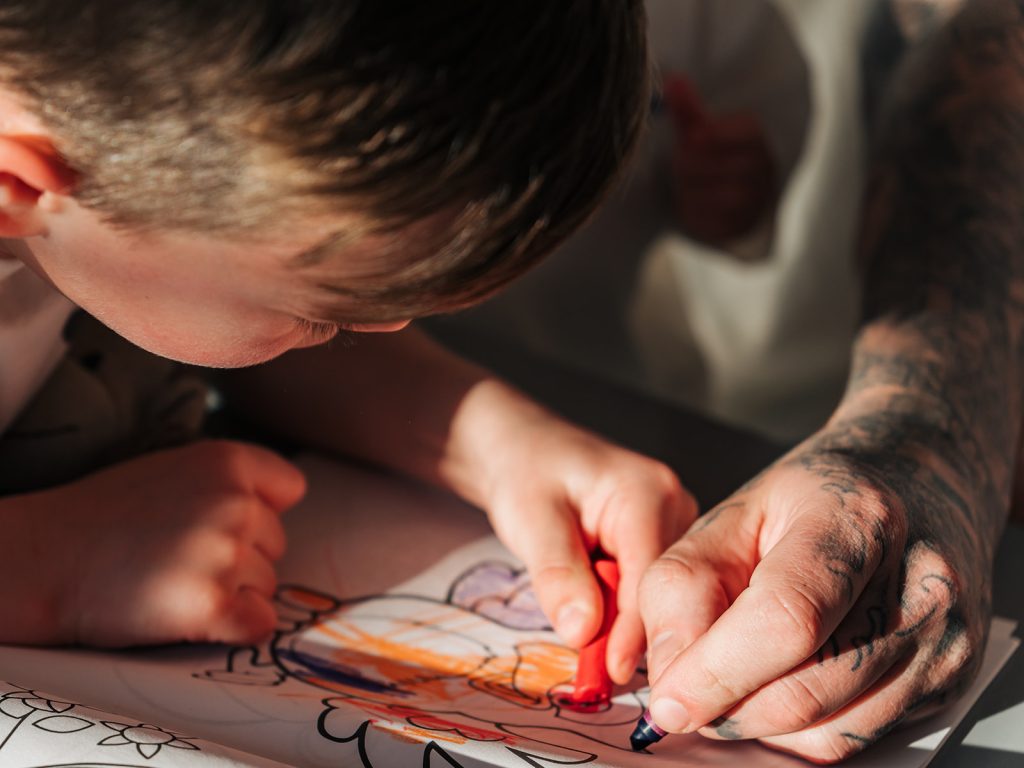
What Documentary Photography Actually Means for Your Child
Documentary photography means I show up and I observe. That’s it.
There is no posing. There is no “everyone look over here.” There is no countdown to a smile or a request to sit up straight or a reason for your child to interact with me in any way they don’t naturally want to.
I come into your home, I spend a little time letting your child get used to me being around, and then I step back and I watch. I follow your family’s lead completely. If your child wants to ignore me, that is genuinely ideal. The best photos I take are always of kids who have completely forgotten I’m there.
Your child doesn’t need to perform for me. They don’t need to be having a good day. They don’t need to cooperate with a single thing I ask, because I’m not going to ask them for anything. I’m just going to document the people they already are.
Why I Understand This World
I want to tell you a little about why this work matters to me personally.
My professional background isn’t just in photography. I also work as an Independent Self-Direction Support Broker serving families of children with disabilities in Erie and Niagara County. I have spent years sitting across the table from parents who are exhausted, advocating tirelessly for their kids, navigating systems that weren’t built with their family in mind.
I know what these families carry. I know how much it means to have someone show up and actually get it — not just say they do, but genuinely understand how to be in the room with a child who has big feelings, who needs more space, who doesn’t want another adult paying close attention to them.
That understanding is something I bring into every single session I do with families like yours. It’s not something I learned from a photography course. It’s something I’ve lived and worked alongside for years. 💛
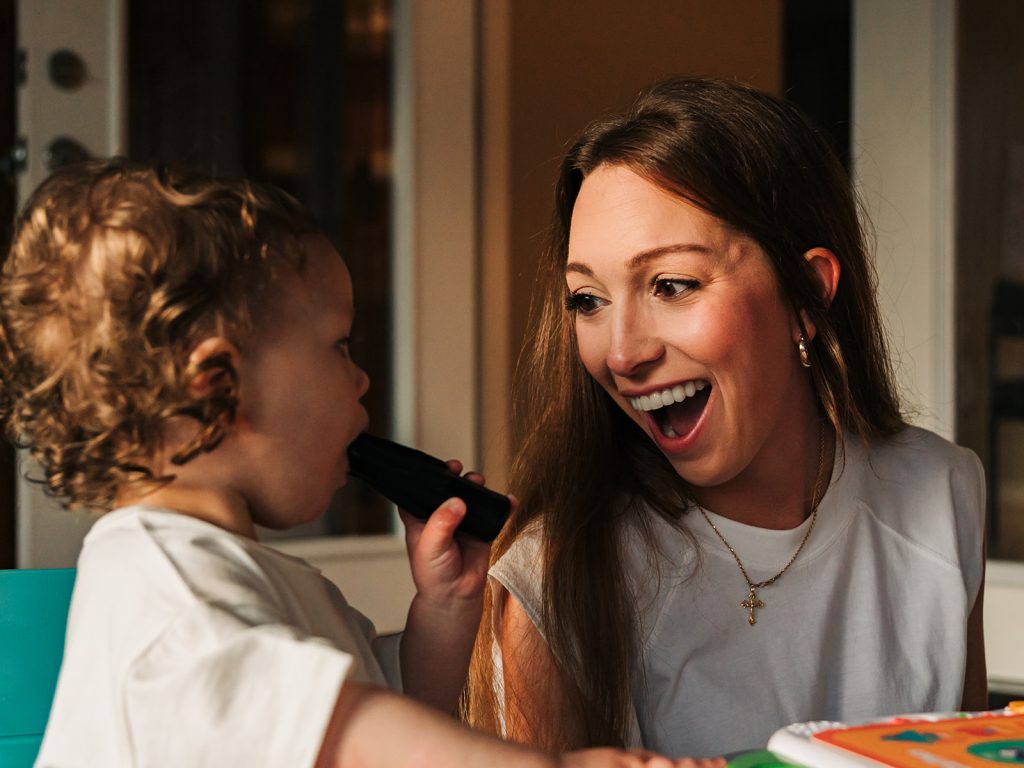
What a Session Looks Like for Your Family
Every session is different because every child is different. But here’s what stays the same every time.
We talk before I ever set foot in your home. During our planning call, you tell me about your child — what they love, what their hard moments look like, what helps them feel safe, what definitely doesn’t. The more you tell me, the better I can show up for your family. I want to know the real stuff, not the highlight reel version.
On session day I arrive and I give your child all the time they need to warm up to me. There is no timeline pressure. If that takes twenty minutes, we take twenty minutes. If your child wants to stay in the next room for the first half of the session, that’s fine too. I’ll find something else to document until they’re ready.
If your child has a hard moment, I step back and give your family space. I never hover. I never push. I have never once left a session without something beautiful because a child had a difficult stretch. Those moments are part of your story too, and I know how to work around them with patience and care.
Your Home Is the Right Setting
For most families with children who have disabilities, their home is where their child is most themselves. The familiar environment, the comfort of their own things, the absence of a strange new place to navigate — all of that matters enormously for how a session goes.
This is exactly why I work in-home by default. Your child’s bedroom, the backyard, the couch where they watch their favorite show, the kitchen table where they do their thing every afternoon — those spaces are where the real story lives. That’s where I want to be.
If home doesn’t feel like the right setting for your family for any reason, we can talk through other options. There is no one-size-fits-all answer and I am always willing to be flexible about what works best for your child. 🏡
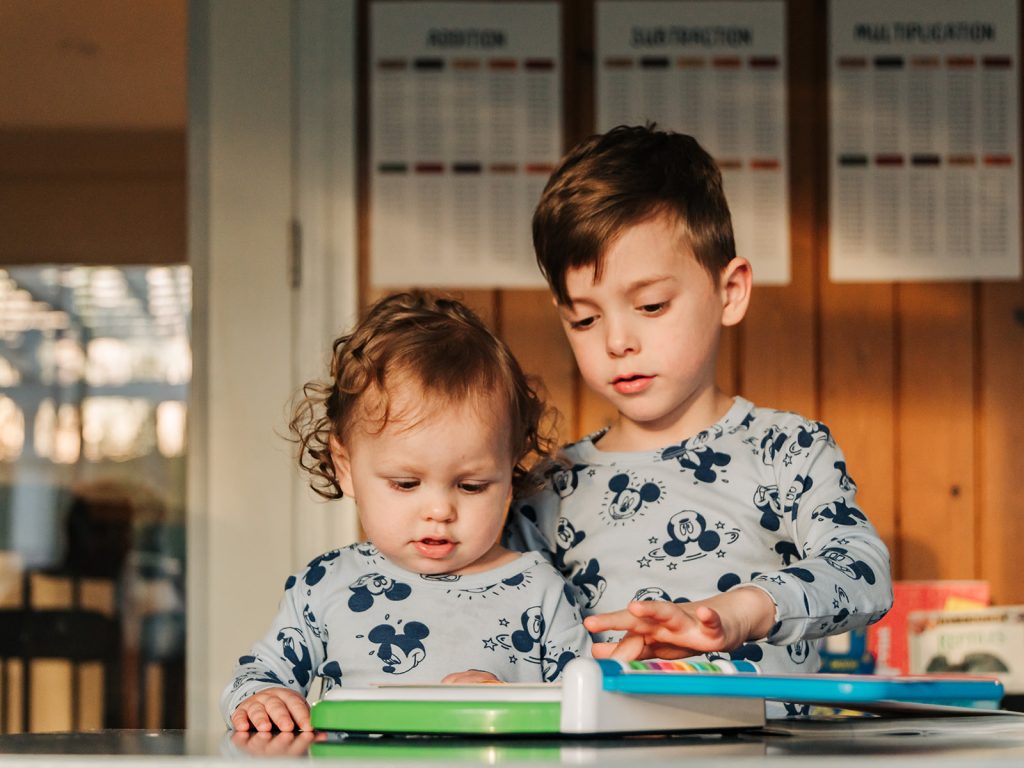
A Note on Patience and Pace
I want to say this plainly because I think it matters: I have no expectations for how your child shows up on session day.
Not for their behavior. Not for their mood. Not for how much or how little they interact with me. I am not here to get your child to do anything. I am here to document whoever they are on that particular day, in whatever form that takes.
Sessions with children who have disabilities are some of the most meaningful work I do. Not because they’re harder or require more from me, but because the families who book them are usually the ones who have been told the most times that their kid is “too much” for a traditional session. And in my experience, those are exactly the kids whose photos end up being the most honest, the most alive, and the most worth having.
Frequently Asked Questions
Does my child need to be diagnosed with a specific disability to book this kind of session?
No. If your child struggles with traditional photo sessions for any reason — sensory sensitivities, anxiety, difficulty with strangers, trouble sitting still — this approach will work for them. You don’t need a diagnosis to reach out.
What if my child refuses to be photographed at all?
That’s okay. We start wherever we need to start. Sometimes the best sessions begin with a child who wants nothing to do with me, and by the end they’ve warmed up in their own time and on their own terms. And if they never fully warm up, I’ll document everything around them — your home, your family, the day itself — and there will still be something beautiful in it.
Do you work with children who are nonverbal?
Yes. My approach is entirely observational, which means verbal communication with your child is never required. I follow their lead and I let the session unfold at whatever pace works for them.
Can we do a film as well as photos?
Absolutely. A documentary film is actually a particularly powerful choice for families with children who have disabilities, because it captures your child’s voice, their movements, and the way they experience the world in a way that photos alone can’t. You can read more about what a documentary family film looks like here — link to Post 2.
Questions About Sharing and Privacy
How do you handle sensory sensitivities during the session?
I shoot with a mirrorless camera which is very quiet. I don’t use flash. I move slowly and I don’t make sudden movements around children who are sensitive to that. If there are specific things I should know about your child’s sensory needs before I arrive, tell me during our planning call and I will prepare accordingly.
Will you share our photos publicly?
Never without a signed model release, and even then only with your specific approval of what is shared. Many families in this community are protective of their child’s privacy online and I respect that completely.
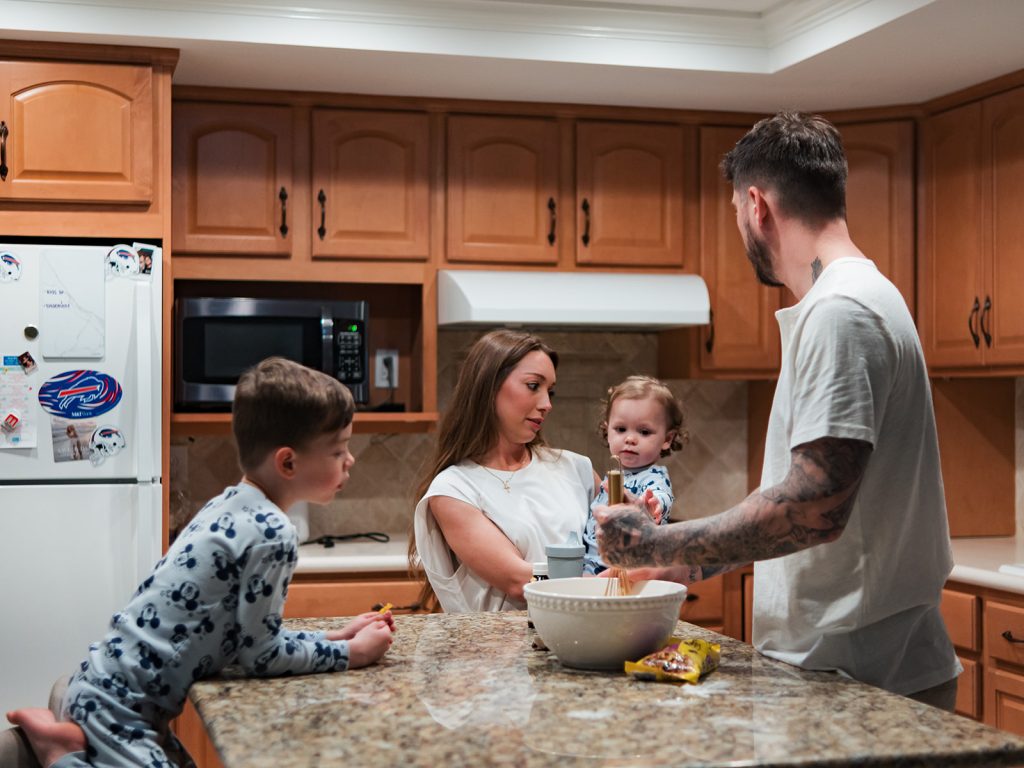
Ready to Talk About Your Family?
If this sounds like what your child needs, I would love to connect. No pressure, no commitment required to have a conversation.